

What Does 100g to oz Mean?
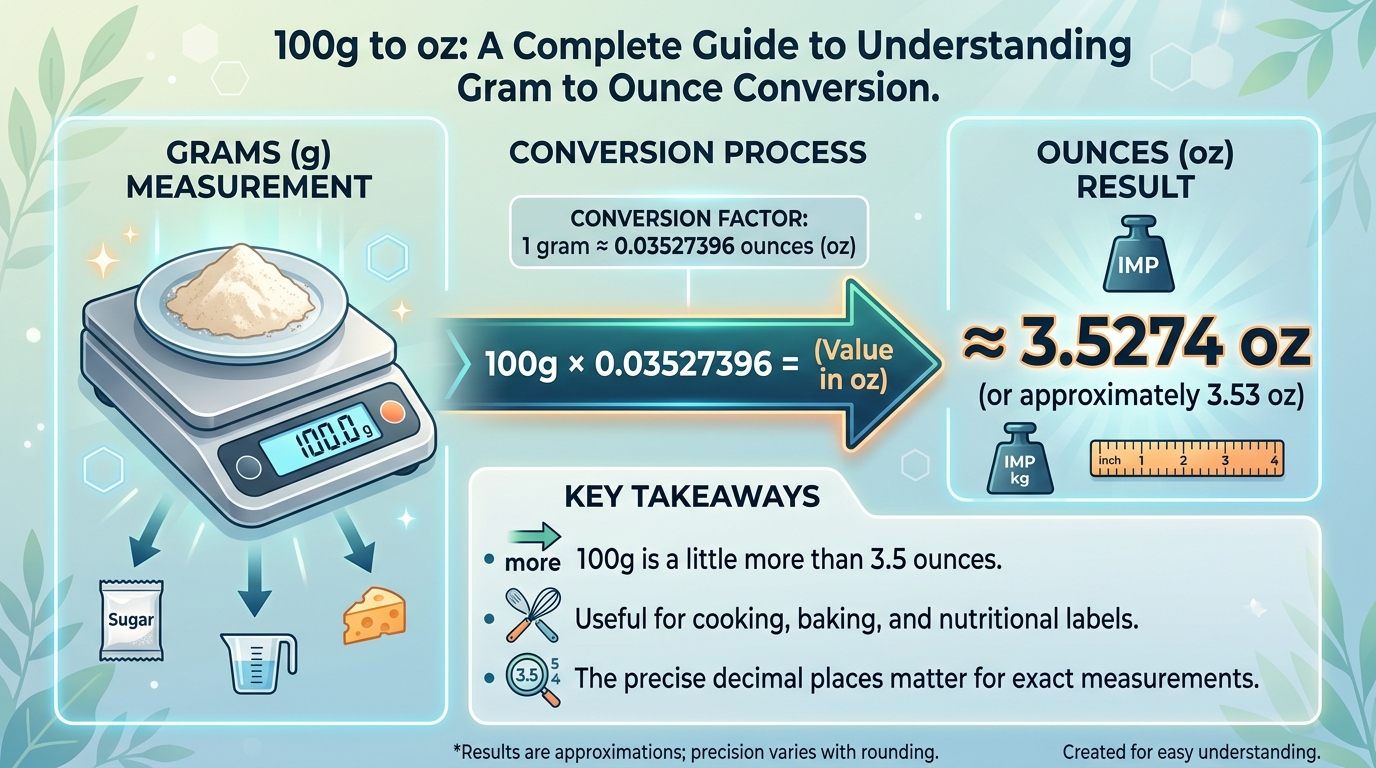
The term 100g to oz refers to converting 100 grams ounces, a common unit of weight used in several countries. Since one ounce equals approximately 28.35 grams, 100 grams is equal to about 3.53 ounces. This conversion is widely used in recipes, food packaging, and nutritional information where both metric and imperial units may appear. Understanding the meaning of this conversion eliminates confusion when preparing meals or comparing products. It also helps people communicate measurements accurately regardless of which system they are more familiar with in their everyday routines.
Why Gram to Ounce Conversion Is Important
Converting 100g to oz is important because people often encounter recipes and product labels created for different regions of the world. Many European and Asian countries use grams, while ounces remain common in the United States and some other locations. Without proper conversion, ingredients may be measured incorrectly, affecting taste, texture, or nutritional value. Accurate measurement is especially valuable in baking, where even small differences can change results significantly. Learning this conversion saves time, improves confidence, and allows users to enjoy recipes from international sources without unnecessary guesswork or calculation errors.
The Mathematical Formula Behind the Conversion
Understanding the calculation for 100g to oz makes future conversions much easier. The standard formula divides the number of grams by 28.35 because one ounce contains approximately 28.35 grams. When 100 is divided by 28.35, the result is roughly 3.53 ounces. This simple mathematical relationship applies to many other weight conversions as well. Instead of memorizing numerous values, users can rely on this formula whenever they need to convert grams into ounces. Basic knowledge of the calculation encourages independence and accuracy when working with measurements in various practical situations.
Using 100g to oz in Cooking and Baking
Cooking and baking are among the most common situations where converting 100g to oz becomes useful. International recipes frequently list ingredient weights in grams, while measuring tools available at home may display ounces. Understanding that 100 grams equals approximately 3.53 ounces helps maintain recipe accuracy and ensures balanced flavors and textures. Bakers especially benefit because ingredients like flour, sugar, butter, and chocolate require precise measurements for consistent results. Knowing this conversion allows anyone to prepare dishes confidently without changing ingredient proportions or relying on inaccurate visual estimates during food preparation.
How Food Packaging Uses Different Units
Many food manufacturers include both metric and imperial measurements on packaging to serve customers in different markets. When reading labels, understanding 100g to oz helps consumers compare serving sizes, nutritional values, and product quantities more effectively. Some imported products list only grams, while others emphasize ounces, creating confusion for shoppers unfamiliar with one system. Knowing that 100 grams is approximately 3.53 ounces simplifies purchasing decisions and prevents misunderstandings about package size. This knowledge is particularly valuable when comparing similar products from different countries or calculating dietary intake for balanced nutrition goals.
The Difference Between Weight and Volume Measurements
While learning 100g to oz is valuable, it is equally important to understand that weight and volume are different concepts. Grams and ounces used in this context measure weight, while cups, teaspoons, and tablespoons measure volume. A product weighing 100 grams does not always occupy the same volume because density varies between ingredients. For example, 100 grams of flour and 100 grams of nuts may fill different amounts of space despite having identical weight. Recognizing this distinction helps prevent mistakes when following recipes or converting measurements between systems accurately.
Everyday Situations Where This Conversion Helps
The usefulness of converting 100g to oz extends beyond the kitchen into many daily activities. Travelers often encounter unfamiliar measurement systems when shopping abroad, while fitness enthusiasts use weight conversions to track food portions and nutritional intake. Students studying science or mathematics may also perform these calculations during assignments involving measurement systems. Hobbyists working with craft materials, coffee beans, spices, or specialty products frequently rely on accurate conversions for consistent results. Understanding this simple relationship between grams and ounces makes everyday tasks smoother and reduces confusion when handling international products and information.
Tips for Remembering the 100g to oz Conversion
Remembering the conversion from 100g to oz becomes easier with regular use and simple mental associations. Instead of trying to memorize many different values, it helps to remember that 100 grams is approximately 3.53 ounces and that one ounce equals about 28.35 grams. Repeating these figures while cooking or shopping strengthens familiarity over time. Digital kitchen scales and conversion tools can also reinforce understanding through practical experience. With continued use, converting between grams and ounces becomes a quick habit that supports accuracy and convenience in a wide range of personal and professional activities.
Conclusion
Understanding 100g to oz is a practical skill that simplifies cooking, shopping, nutrition tracking, and many other everyday tasks. Since 100 grams equals approximately 3.53 ounces, this conversion provides an easy bridge between the metric and imperial measurement systems. Learning the formula and applying it correctly improves accuracy while reducing confusion when working with international recipes or product labels. As global products and information become increasingly accessible, knowing how to convert grams into ounces becomes even more valuable. A strong understanding of this measurement relationship supports confidence, precision, and convenience in daily life.