

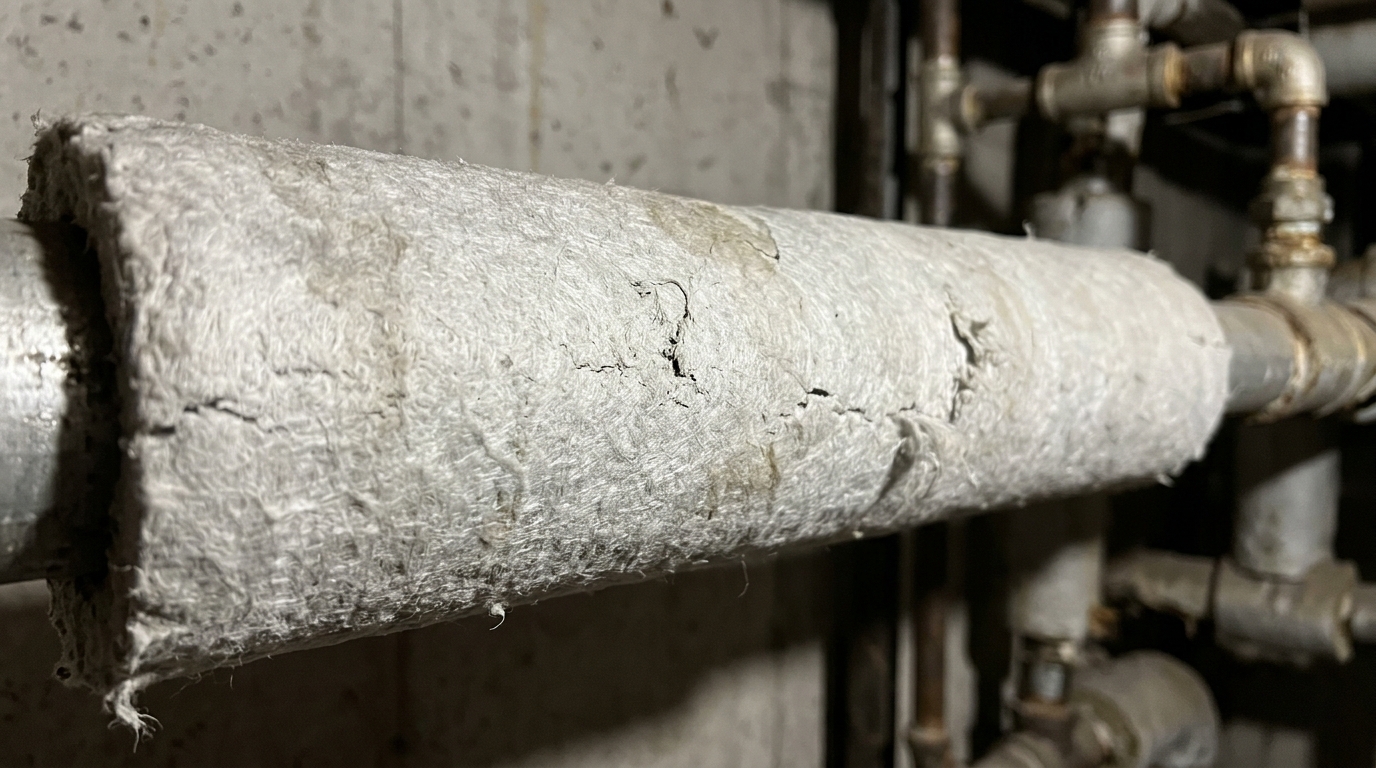
What Is Asbestlint and Why Does It Matter?
Asbestlint generally refers to asbestos-containing fibers or dust-like material that may become present when asbestos-based products deteriorate, age, or experience physical disturbance. Historically, asbestos was widely used in construction because of its heat resistance, durability, and insulating properties. However, concerns regarding airborne asbestos fibers led to increased regulation and safety awareness. The importance of understanding asbestlint lies in recognizing situations where asbestos-containing materials may require professional evaluation. Proper identification helps property owners manage potential risks responsibly while ensuring compliance with applicable safety standards. Awareness remains a key factor in maintaining healthy indoor environments and protecting building occupants.
The Historical Use of Asbestos in Construction
For much of the twentieth century, asbestos was considered a valuable material in residential, commercial, and industrial construction. It was commonly used in insulation, roofing products, flooring materials, cement components, and fire-resistant applications. As buildings age, materials containing asbestos may begin to deteriorate, increasing attention toward issues such as asbestlint. Understanding the historical prevalence of asbestos helps explain why older properties often require specialized inspections before renovation or demolition activities begin. Many structures built during earlier decades still contain asbestos-related materials, making awareness and proper assessment important elements of responsible property ownership and long-term facility management.
How Asbestlint Can Develop Over Time
Asbestos-containing materials do not always present immediate concerns when they remain intact and undisturbed. However, environmental factors, aging, moisture exposure, physical wear, and structural changes can gradually affect their condition. As materials deteriorate, small particles associated with asbestlint may become more noticeable during inspections or maintenance work. The development of such conditions often occurs slowly over many years, making regular property assessments beneficial. Understanding how building materials change over time allows owners and managers to identify potential issues early. Preventive maintenance and timely evaluations support safer environments while reducing the likelihood of unexpected complications during future projects.
The Importance of Professional Inspections
When asbestos-related concerns arise, professional inspections play a crucial role in determining the condition and status of building materials. Trained inspectors use specialized methods to assess potential asbestos-containing components and evaluate whether further action may be necessary. Discussions involving asbestlint frequently emphasize the value of expert analysis because visual observations alone may not provide reliable conclusions. Professional assessments help property owners understand their specific circumstances and identify appropriate management strategies. By relying on qualified expertise, building owners can make informed decisions that support occupant safety, regulatory compliance, and effective maintenance planning throughout the lifecycle of a property.
Safety Practices for Building Maintenance
Routine building maintenance often involves activities that may affect walls, ceilings, flooring, insulation, or other construction materials. In properties where asbestos-containing products could be present, maintenance planning requires additional attention and care. Understanding the relevance of asbestlint encourages a proactive approach to safety procedures and risk management. Property managers frequently establish maintenance protocols that prioritize material identification and professional consultation before beginning major work. These practices help reduce uncertainty while promoting responsible decision-making. A well-organized maintenance strategy supports long-term building performance and contributes to a safer environment for occupants, contractors, and facility personnel alike.
Regulatory Awareness and Compliance
Governments and regulatory agencies around the world have established guidelines addressing asbestos management, handling, and disposal. These regulations aim to protect public health while ensuring that asbestos-related activities are performed safely and responsibly. The topic of asbestlint often appears within broader discussions about compliance and environmental management. Property owners benefit from understanding applicable regulations and maintaining accurate records regarding inspections, renovations, and material assessments. Compliance not only supports legal obligations but also demonstrates a commitment to safety and responsible property stewardship. Staying informed about relevant requirements helps organizations manage facilities with greater confidence and accountability.
Modern Approaches to Risk Management
Advancements in building management have improved the way potential asbestos-related concerns are identified and addressed. Modern risk management strategies emphasize prevention, documentation, regular inspections, and informed planning. Asbestlint serves as a reminder that building materials require ongoing evaluation throughout their lifespan. Technology, improved inspection techniques, and professional expertise now provide property owners with more effective tools for assessing conditions and making informed decisions. By adopting proactive management practices, organizations can minimize uncertainty and respond appropriately when concerns arise. These approaches contribute to safer facilities while supporting long-term operational efficiency and responsible asset management.
The Role of Education and Awareness
Education remains one of the most valuable tools for promoting safe building practices and informed decision-making. Increased awareness of topics such as asbestlint helps property owners, maintenance personnel, and contractors recognize the importance of proper assessment and management procedures. Educational initiatives encourage responsible actions by providing accurate information about construction materials, inspection processes, and safety considerations. When stakeholders understand potential concerns and available resources, they are better equipped to respond effectively. Ongoing education supports a culture of safety, reduces misunderstandings, and strengthens confidence in building management practices. Knowledge ultimately serves as the foundation for responsible property care.
Future Perspectives on Building Safety
The future of building safety will continue to focus on proactive maintenance, environmental responsibility, and occupant well-being. As aging infrastructure requires renovation and modernization, awareness of materials associated with asbestlint will remain relevant in many sectors. Industry professionals increasingly emphasize comprehensive inspections, transparent documentation, and preventive planning as essential components of property management. Technological advancements are expected to further improve assessment methods and support more efficient decision-making processes. By combining modern tools with established safety practices, organizations can maintain high standards of building performance while addressing potential concerns responsibly and effectively in an evolving construction landscape.
Conclusion
Asbestlint represents an important topic within the broader context of building maintenance, safety awareness, and responsible property management. Understanding its connection to asbestos-containing materials helps property owners make informed decisions regarding inspections, maintenance activities, and long-term facility planning. Through professional evaluations, regulatory compliance, educational efforts, and proactive risk management, organizations can maintain safe environments while protecting the value of their properties. As building standards continue to evolve, awareness and informed decision-making will remain essential for ensuring effective management and promoting confidence in modern construction and maintenance practices.