

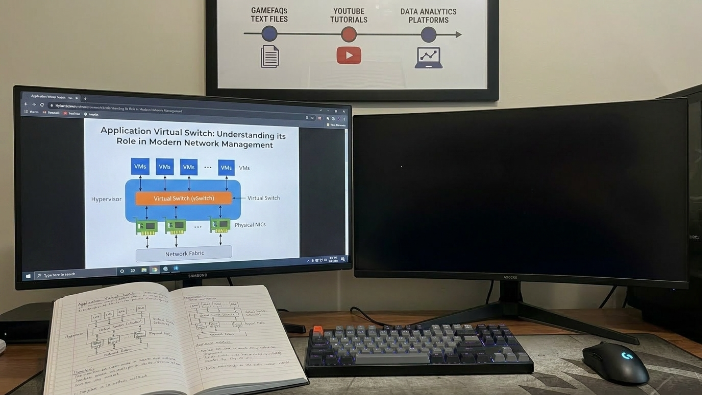
What Is an Application Virtual Switch
An application virtual switch is a software-based networking component designed to manage communication between virtualized applications, servers, and network environments. Unlike traditional physical switches that operate through hardware, virtual switches function inside software platforms and connect virtual machines or applications within the same host or across cloud systems. These switches direct data traffic, control network access, and help maintain efficient communication between digital resources. In virtualized environments, the application virtual switch acts similarly to a traditional network switch while providing greater flexibility and scalability. As organizations increasingly adopt virtualization technologies, virtual switches have become essential tools for supporting modern cloud computing and network infrastructure systems.
How Virtual Switching Works in Modern Systems
The operation of an application virtual switch depends on software-defined networking principles that allow digital traffic to move between virtual devices efficiently. When data travels between applications or virtual machines, the virtual switch determines where that traffic should go based on network configurations and communication rules. Instead of relying on physical cabling and hardware connections, the system manages everything internally through software. This creates faster communication within virtualized environments while reducing hardware dependency. Virtual switches also help separate traffic between different applications for improved organization and security. Their ability to control digital communication dynamically makes them highly valuable within cloud platforms, enterprise networks, and virtualization systems used globally today.
Importance of Application Virtual Switch Technology
Application virtual switch technology plays a major role in supporting modern digital infrastructure and cloud computing environments. Organizations require flexible networking solutions that can adapt quickly to changing workloads and application demands. Virtual switches help businesses achieve this by simplifying network management and improving scalability without requiring extensive physical hardware changes. They also support efficient communication between virtual machines and cloud services, which is essential for maintaining reliable system performance. As companies continue transitioning toward virtualized data centers and remote computing environments, application virtual switch systems become increasingly important. Their role in improving network flexibility and operational efficiency makes them a valuable part of modern information technology infrastructure.
Security Features Within Virtual Switching
Security remains one of the most important concerns in digital networking, and the application virtual switch contributes significantly to protecting virtual environments. Virtual switches can isolate network traffic between applications, reducing the risk of unauthorized access and data exposure. Administrators can configure security policies, monitor traffic activity, and control communication between virtual machines through centralized management systems. Many virtual switching technologies also support advanced security features such as encryption, traffic filtering, and intrusion detection. These capabilities help organizations maintain stronger protection against cyber threats within virtualized networks. As cloud computing continues growing, secure virtual switching solutions have become increasingly essential for maintaining safe and reliable digital operations worldwide.
Benefits of Using Application Virtual Switch Solutions
Businesses and technology professionals use application virtual switch systems because they provide several operational advantages over traditional networking approaches. One major benefit involves flexibility, as virtual switches can be configured or modified quickly without changing physical hardware. They also support better resource utilization by allowing multiple virtual machines to share network infrastructure efficiently. Reduced hardware requirements can lower operational costs while simplifying system maintenance and expansion. Another important advantage is scalability because virtual networks can grow rapidly alongside organizational needs. By improving efficiency, reducing complexity, and supporting dynamic workloads, application virtual switch technology helps organizations maintain competitive and adaptable digital environments in today’s rapidly evolving technology landscape.
The Role of Virtual Switches in Cloud Computing
Cloud computing environments rely heavily on virtual networking technologies, making the application virtual switch an important part of modern cloud infrastructure. Cloud providers use virtual switches to manage communication between applications, storage systems, and virtual machines hosted across distributed environments. These software-based switches allow cloud systems to scale efficiently while maintaining organized and secure network traffic. They also help support multi-tenant environments where multiple users or businesses share the same infrastructure safely. As more organizations move applications and services into the cloud, reliable virtual switching solutions become increasingly necessary. The ability to manage digital communication flexibly and efficiently makes virtual switches essential components of cloud-based operations worldwide today.
Challenges Associated With Virtual Switching
Although application virtual switch technology provides many benefits, organizations may still face certain challenges when implementing or managing virtualized networking systems. Complex configurations can require experienced IT professionals to ensure proper setup and performance optimization. Security management may also become more complicated because virtual environments involve dynamic workloads and constantly changing communication patterns. Performance issues can occur if network traffic becomes overloaded or poorly configured within virtual systems. Troubleshooting software-based networks may sometimes prove more difficult than diagnosing traditional hardware connections. Despite these challenges, continued improvements in virtualization technology and network management tools help organizations address these concerns while maintaining efficient and secure digital infrastructure operations successfully.
Future Trends in Virtual Networking Technology
The future of networking technology will likely involve even greater reliance on virtualization and software-defined infrastructure. Application virtual switch solutions are expected to evolve with improved automation, artificial intelligence integration, and stronger cybersecurity capabilities. Businesses increasingly demand faster and more adaptable networking systems capable of supporting cloud applications, remote work, and data-intensive operations. Emerging technologies such as edge computing and hybrid cloud environments will further increase the need for efficient virtual networking solutions. Developers are also focusing on improving performance, scalability, and ease of management for virtual switching platforms. As digital transformation continues globally, application virtual switch technology will remain central to the future of modern networking systems and infrastructure.
Why Businesses Continue Adopting Virtual Switches
Organizations across different industries continue adopting application virtual switch systems because they support modern operational needs effectively and efficiently. Businesses require scalable infrastructure that can adapt quickly to changing workloads, remote access requirements, and digital expansion. Virtual switches simplify network administration while reducing dependency on expensive physical hardware upgrades. They also improve flexibility by allowing faster deployment of applications and services across virtual environments. Companies focused on cloud migration and virtualization strategies often rely heavily on virtual switching technology to maintain performance and security. As digital transformation accelerates worldwide, the demand for reliable and efficient application virtual switch solutions will continue growing across enterprise and cloud computing environments.
Conclusion
The application virtual switch has become an essential technology within modern virtualization and cloud computing environments. By managing communication between virtual machines, applications, and digital networks through software, virtual switches provide flexibility, scalability, and improved operational efficiency. Their role in supporting secure and organized data traffic makes them valuable tools for businesses adopting cloud infrastructure and software-defined networking solutions. Although challenges related to management and security still exist, ongoing technological advancements continue improving virtual networking systems significantly. As organizations increasingly rely on digital infrastructure, application virtual switch technology will remain a critical part of modern network management, helping businesses build adaptable, secure, and efficient computing environments for the future.