

Understanding the Natural Intelligence of Birds
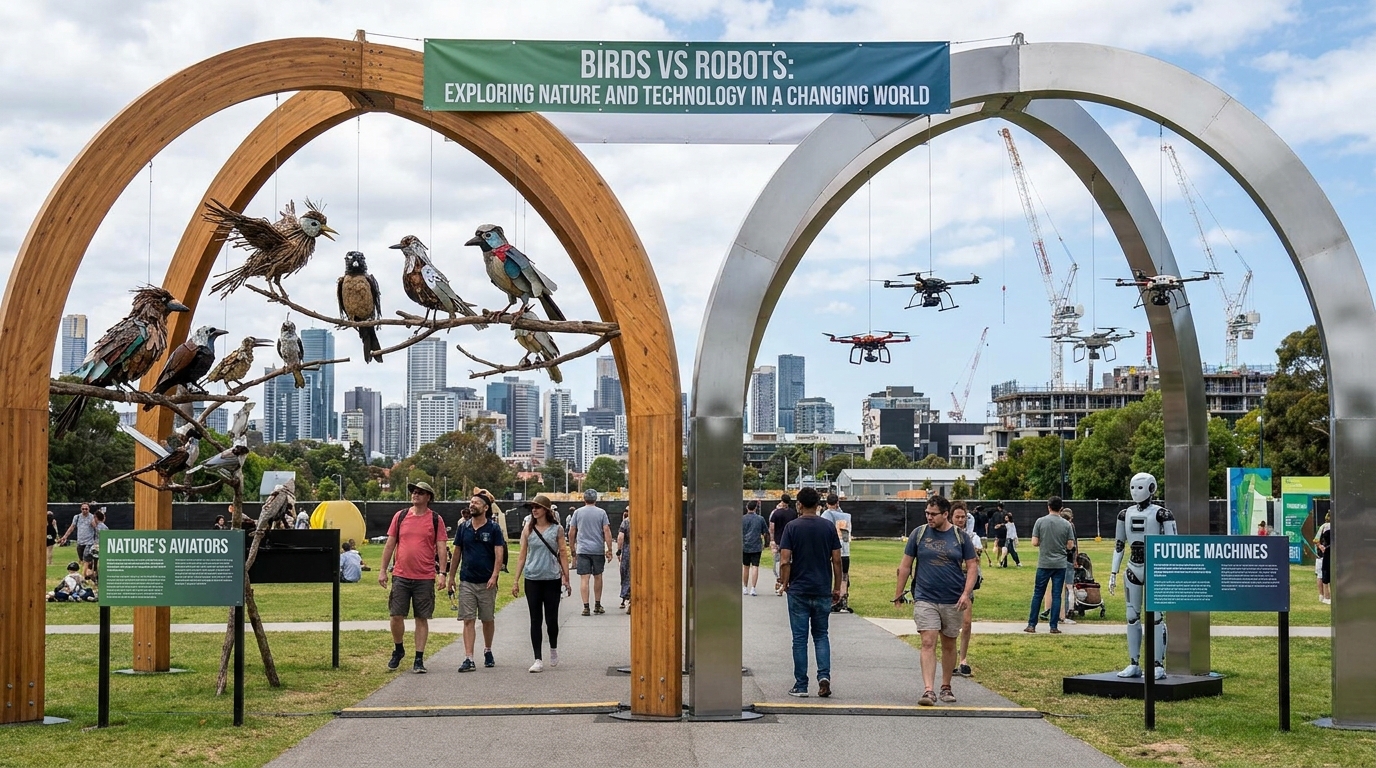
Birds have fascinated humans for centuries because of their remarkable intelligence, survival instincts, and adaptability in changing environments. Many species demonstrate advanced communication skills, problem-solving abilities, and coordinated group behavior that continue inspiring scientific research. In the debate surrounding birds vs robots, birds represent the complexity and efficiency of natural evolution. Their ability to migrate across long distances, adapt to weather conditions, and navigate unfamiliar environments remains difficult for modern technology to replicate fully. Researchers often study bird behavior to better understand aerodynamics and movement efficiency. These observations show how nature continues influencing technological innovation while reminding society of the incredible capabilities already present in the natural world.
How Robotics Draws Inspiration From Birds
The relationship between birds and robotics has become increasingly important in technological research and engineering. Scientists and developers frequently study bird movement to design machines capable of efficient flight, navigation, and balance. In discussions about birds vs robots, robotics often reflects humanity’s attempt to imitate natural systems through advanced engineering. Flying drones and aerial robots are examples of technologies inspired by birds and their aerodynamic structures. Engineers aim to create machines that can move smoothly, conserve energy, and respond intelligently to environmental conditions. This connection between nature and technology demonstrates how biological systems continue shaping innovation while encouraging developers to create smarter and more adaptable robotic solutions for modern industries.
The Role of Artificial Intelligence in Robotics
Artificial intelligence has transformed robotics significantly, adding new dimensions to the ongoing conversation about birds vs robots. Modern robots can now process information, make decisions, and adapt to changing situations more effectively than ever before. Despite these advancements, natural bird intelligence still remains highly complex and difficult to duplicate completely. Birds react instinctively to their surroundings while demonstrating behaviors shaped by millions of years of evolution. Robots, on the other hand, rely on programming, algorithms, and data processing to function efficiently. The comparison highlights the difference between biological intelligence and machine learning while emphasizing the progress technology has made in replicating certain natural behaviors through artificial intelligence and robotics research.
Environmental Perspectives on Birds vs Robots
Environmental discussions related to birds vs robots often focus on the balance between technological advancement and wildlife conservation. As industries continue expanding through automation and digital systems, protecting bird populations and natural habitats remains extremely important. Birds contribute significantly to ecosystems by supporting pollination, seed distribution, and pest control. Meanwhile, robots are increasingly used in environmental monitoring, agriculture, and scientific research. Technology can therefore assist conservation efforts when applied responsibly and ethically. The comparison between birds and robots highlights the need for sustainable development that respects nature while embracing innovation. Maintaining this balance ensures that technological progress does not negatively affect biodiversity or disrupt essential ecological systems worldwide.
The Impact of Robotics on Modern Industries
Robotics has transformed industries worldwide, influencing manufacturing, transportation, healthcare, and communication systems. In the broader context of birds vs robots, machines represent efficiency, automation, and technological productivity. Robots can perform repetitive tasks quickly and accurately while reducing operational costs in many sectors. Their ability to function continuously without fatigue gives industries significant advantages in productivity and performance. However, birds continue representing natural systems that operate with remarkable balance and sustainability. Unlike machines, birds function without artificial programming or external control systems. This comparison encourages society to consider how technological growth can remain efficient while also learning from the natural harmony and adaptability found in wildlife ecosystems.
Why Birds Continue Inspiring Human Innovation
Birds continue inspiring innovation because their physical structures and behaviors demonstrate extraordinary efficiency and adaptability. Their wings, lightweight bodies, and navigation systems have influenced aircraft design, drone development, and advanced robotics research. In conversations about birds vs robots, birds symbolize natural engineering perfected through evolution over countless generations. Scientists often analyze bird flight patterns to improve energy efficiency and aerodynamic performance in modern machines. Beyond technology, birds also inspire creativity in architecture, communication systems, and environmental design. This connection between biological observation and human invention highlights the value of studying nature carefully. By understanding natural systems, engineers and researchers can create more effective technologies that align with sustainable development goals.
Ethical Questions Surrounding Advanced Robotics
The rise of advanced robotics has introduced important ethical discussions connected to birds vs robots and the broader relationship between nature and technology. As robots become increasingly intelligent and autonomous, society must consider how these systems should be developed and used responsibly. Questions surrounding privacy, employment, environmental impact, and machine decision-making continue influencing global discussions about robotics. Birds, in contrast, exist naturally within ecosystems without artificial control or programmed objectives. This comparison often encourages reflection on the limits of technology and the importance of preserving natural balance. Ethical innovation requires careful planning to ensure that technological progress supports humanity while respecting environmental sustainability and social responsibility.
The Future Relationship Between Nature and Machines
The future relationship between birds and robots will likely involve greater collaboration between natural inspiration and technological advancement. Scientists are already developing robotic systems that imitate bird movement for environmental research, disaster response, and transportation purposes. In the evolving discussion of birds vs robots, the goal is not necessarily competition but understanding how technology can learn from nature effectively. Future innovations may focus on creating machines that operate more sustainably and harmoniously with ecosystems. Birds will continue serving as valuable models for efficiency, communication, and adaptability in technological development. This relationship demonstrates that nature and innovation can coexist productively when scientific progress respects ecological balance and environmental responsibility.
Conclusion
The concept of birds vs robots represents a fascinating comparison between natural intelligence and technological innovation in the modern world. Birds symbolize adaptability, ecological balance, and the remarkable capabilities of natural evolution, while robots reflect human creativity, automation, and scientific advancement. Both influence society in important ways, shaping industries, environmental discussions, and future technological developments. As robotics continues evolving, nature will remain a valuable source of inspiration for creating smarter and more sustainable systems. Understanding the relationship between biological systems and machine technology encourages responsible innovation while highlighting the importance of protecting the natural world. The future of progress depends on balancing technological advancement with environmental awareness and sustainability.
 saif abbasi