

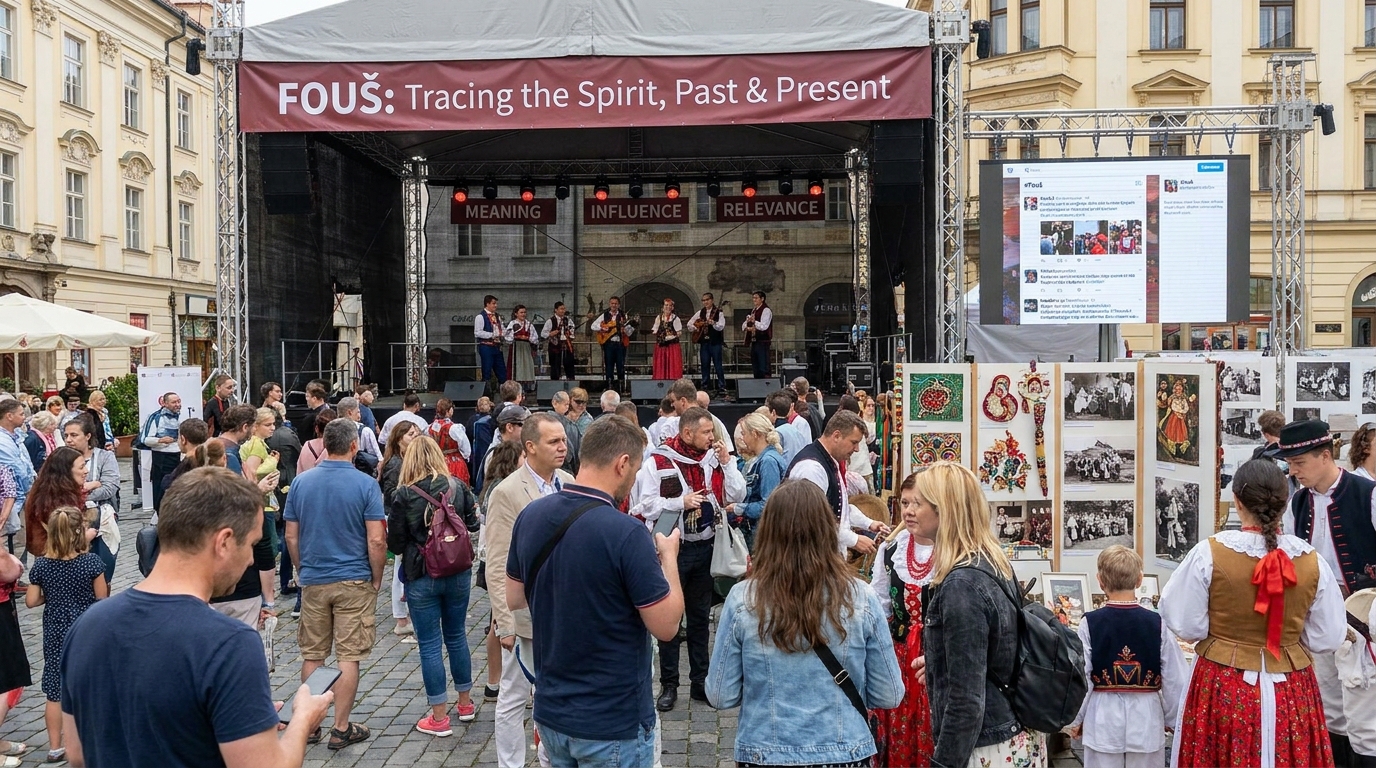
Fouš is a unique term that carries cultural, linguistic, and creative significance depending on its context and regional interpretation. Words with distinct pronunciation and historical roots often attract attention because they reflect local traditions, communication styles, and evolving social identity. In modern culture, uncommon expressions like fouš can gain popularity through art, language trends, digital media, and creative communities. People are increasingly interested in exploring words that represent originality, heritage, and individuality within global communication. Language continues shaping how societies express ideas, emotions, and cultural values across generations. Understanding the meaning and influence of fouš offers insight into the broader relationship between language, identity, and modern cultural development.
The Linguistic Background of Fouš
The linguistic identity of fouš reflects the richness and diversity found in regional languages and cultural communication. Many unique words develop through historical influences, local dialects, and evolving social interaction over time. Terms like fouš often carry subtle meanings or emotional associations that may not translate directly into other languages. This linguistic complexity makes uncommon expressions especially interesting for language enthusiasts and cultural researchers. Pronunciation, spelling, and contextual usage all contribute to the uniqueness of regional vocabulary. As societies become increasingly connected through digital communication and globalization, preserving and understanding distinct words remains important for maintaining cultural identity and appreciating the diversity of human language traditions across different communities worldwide.
The Role of Language in Cultural Identity
Language plays a powerful role in shaping cultural identity, social belonging, and personal expression. Fouš represents how certain words can become symbols of local tradition, shared experiences, or cultural pride within specific communities. Unique vocabulary often reflects historical events, artistic influences, and everyday social interactions that define regional identity. Many people feel emotionally connected to words that remind them of heritage, family traditions, or community values. Cultural language also helps preserve historical memory while strengthening communication between generations. In modern society, where global communication continues expanding rapidly, maintaining linguistic diversity remains important for protecting cultural uniqueness. Words like fouš highlight the lasting relationship between language and collective cultural identity.
Modern Interest in Unique Expressions
Modern audiences are increasingly drawn to unusual and meaningful words that stand out within digital communication and contemporary culture. Fouš reflects this growing interest in distinctive expressions that carry originality and cultural depth. Social media, creative industries, and online communities have contributed significantly to the popularity of unique language trends and uncommon terminology. Many individuals appreciate words that feel authentic, artistic, or emotionally expressive compared to generic modern vocabulary. Creative writers, musicians, and visual artists often use distinctive language to create memorable artistic identities and stronger audience engagement. This renewed appreciation for uncommon expressions demonstrates how language continues evolving while maintaining its importance in creativity, communication, and personal individuality.
The Influence of Digital Communication
Digital communication has transformed the way language evolves and spreads across international communities. Fouš and similar expressions can gain visibility through online platforms where users share cultural content, creative ideas, and personal experiences. Social media encourages the rapid exchange of language trends, slang terms, and artistic vocabulary that often cross regional and linguistic boundaries. Digital spaces also allow smaller cultural communities to preserve and promote unique language traditions more effectively than before. The internet has created opportunities for global audiences to discover unfamiliar words and explore their meanings within cultural contexts. As digital communication continues expanding, language diversity and creative expression remain essential parts of online identity and modern social interaction.
Artistic and Creative Interpretations of Fouš
Creative industries often embrace unusual words and phrases because they add originality, symbolism, and emotional depth to artistic work. Fouš can inspire artistic interpretation in literature, music, design, and visual storytelling due to its unique sound and cultural character. Artists frequently use distinctive language to create memorable themes and establish strong creative identities within competitive industries. Uncommon words often attract curiosity and encourage audiences to explore deeper meanings connected to artistic expression. Language itself can become part of the artistic experience when it reflects authenticity and creativity. This relationship between words and artistic innovation continues shaping modern creative culture while encouraging appreciation for linguistic diversity and imaginative communication techniques.
The Importance of Preserving Linguistic Diversity
Preserving linguistic diversity remains important as globalization influences communication habits and cultural exchange worldwide. Words like fouš represent the richness of regional expression that contributes to humanity’s broader cultural heritage. Smaller languages and unique local vocabulary often face challenges due to the growing dominance of widely spoken international languages. Cultural preservation efforts help maintain traditional communication styles, historical knowledge, and community identity across generations. Educational programs, literature, and digital archives all support language preservation and public awareness. Maintaining linguistic diversity encourages cultural respect and strengthens understanding between different societies. Unique words continue reminding people of the value found in local traditions and the importance of protecting cultural expression in modern society.
Social Meaning and Emotional Connection
Many words develop emotional significance because they become connected to personal experiences, cultural memories, or social traditions. Fouš may carry emotional associations that differ depending on individual interpretation and cultural background. Language often creates emotional resonance through familiarity, storytelling, and shared community experiences. Certain expressions can inspire feelings of nostalgia, belonging, humor, or artistic appreciation within social interactions. This emotional dimension helps explain why unique vocabulary remains meaningful even as communication trends continue changing. Human connection through language extends beyond simple information exchange because words also carry symbolic and emotional value. Understanding these emotional relationships helps reveal the deeper influence language has on identity and cultural communication.
Globalization and Evolving Language Trends
Globalization continues influencing how words, cultural expressions, and communication styles spread across societies and digital platforms. Fouš represents how local language elements can attract broader interest through international interaction and online visibility. Modern communication allows people from different backgrounds to exchange ideas, traditions, and vocabulary more quickly than ever before. While globalization creates opportunities for cultural sharing, it also increases pressure on smaller languages and regional expressions. Many communities now actively promote local language traditions to maintain cultural identity within increasingly connected societies. This balance between global communication and local preservation shapes modern linguistic trends and highlights the importance of respecting diverse cultural voices across international communities and digital environments.
The Future of Unique Cultural Expressions
The future of unique cultural expressions such as fouš will likely depend on continued appreciation for language diversity, creativity, and cultural preservation. Younger generations increasingly explore identity and originality through language, art, and digital communication platforms. Creative communities, educational institutions, and cultural organizations all contribute to maintaining awareness of unique linguistic traditions and expressions. Technology will continue influencing how words evolve and gain popularity within global audiences. However, authentic cultural meaning remains essential for preserving the value and significance of distinctive expressions. As society continues balancing modernization with cultural heritage, uncommon words and regional language traditions will remain important symbols of creativity, history, and human connection within evolving global culture.
Conclusion
Fouš represents more than a simple word because it reflects the deeper relationship between language, culture, identity, and artistic expression. Unique expressions continue shaping how people communicate emotions, preserve traditions, and create meaningful social connections within modern society. As digital communication and globalization influence language development, preserving linguistic diversity becomes increasingly important for maintaining cultural richness and historical identity. Words like fouš demonstrate the lasting value of originality, creativity, and local heritage in an interconnected world. Through cultural appreciation, artistic exploration, and continued language preservation, distinctive expressions will continue contributing to the diversity and beauty of human communication for future generations across global communities.
 saif abbasi