

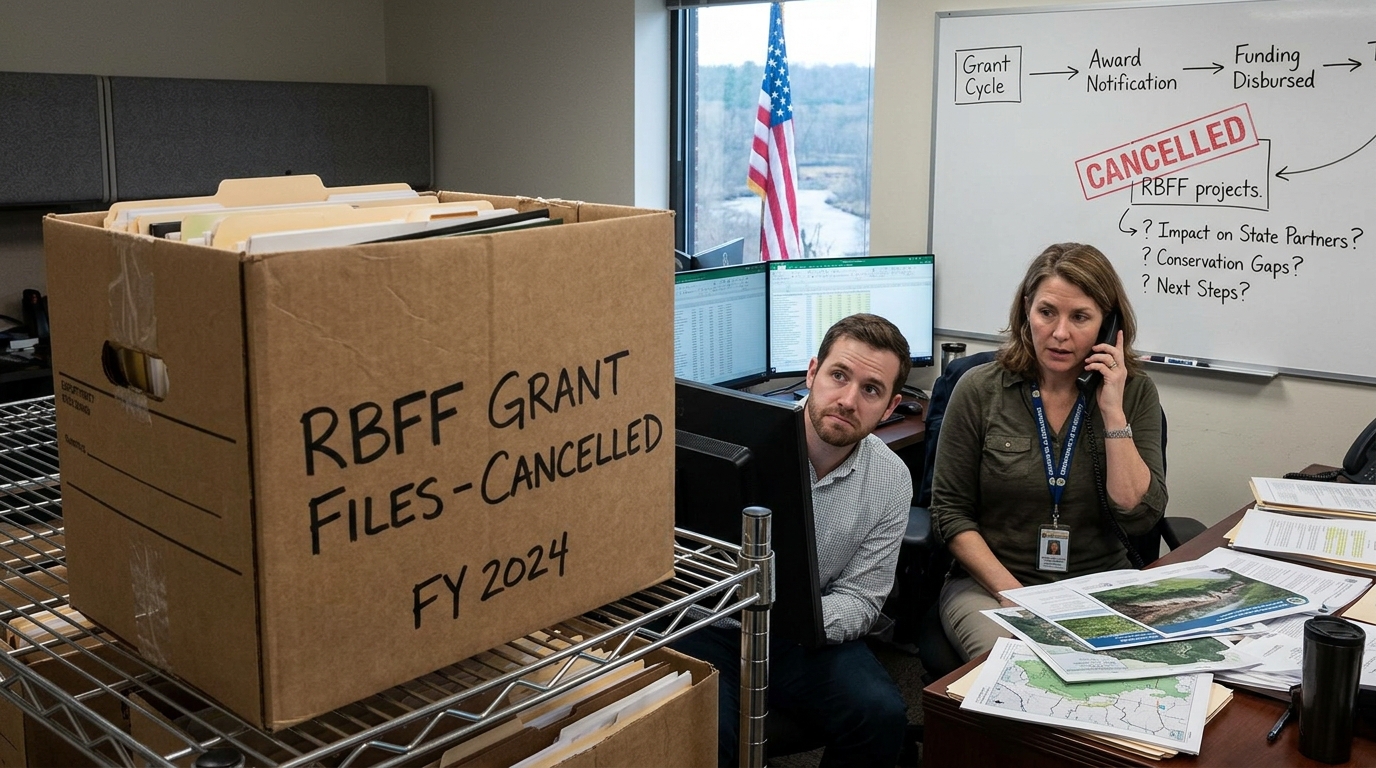
What Is an Interior Department RBFF Grant Cancellation?
The phrase interior department rbff grant cancellation generally refers to the termination or withdrawal of financial support connected to grant programs administered or associated with government conservation and outdoor recreation initiatives. Grant cancellations can occur for various administrative, policy, or budgetary reasons depending on program requirements and priorities. Such decisions may affect organizations that rely on funding for educational campaigns, habitat improvement, public outreach, or recreational projects. Understanding the meaning of a grant cancellation helps applicants and stakeholders recognize the importance of compliance, planning, and flexibility when managing publicly funded initiatives and long-term development goals.
The Purpose of Grant Funding Programs
Grant programs exist to encourage projects that create positive public benefits through conservation, education, research, and community engagement. Discussions surrounding an interior department rbff grant cancellation highlight the broader role of funding in supporting organizations that might otherwise struggle to finance important initiatives. Grants often enable partnerships between government agencies, nonprofit organizations, educational institutions, and local communities. By providing financial assistance, these programs encourage innovation and responsible resource management. Their success depends on transparent administration, measurable outcomes, and alignment with public policy objectives that promote environmental stewardship and recreational opportunities for future generations.
Common Reasons Why Grants May Be Canceled
An interior department rbff grant cancellation may result from several factors rather than a single cause. Budget adjustments, policy changes, administrative reviews, contractual issues, or evolving program priorities can all influence funding decisions. In some cases, projects may fail to meet reporting requirements or established performance standards, leading to modifications or termination of financial support. Government agencies must balance available resources with competing priorities while ensuring accountability for public funds. Understanding these possibilities helps applicants appreciate the importance of maintaining compliance, documentation, and communication throughout every stage of a funded project.
The Potential Impact on Organizations and Communities
When an interior department rbff grant cancellation occurs, organizations may need to revise budgets, postpone activities, or identify alternative funding sources to continue their work. Community programs that depend on grants for educational outreach, habitat restoration, or recreational improvements can experience operational challenges if financial support changes unexpectedly. Volunteers, local partners, and beneficiaries may also feel the effects through delayed services or reduced project scope. However, many organizations respond by strengthening collaborations, seeking private sponsorships, or pursuing additional grants, demonstrating resilience and commitment to achieving their conservation and community development objectives despite funding uncertainties.
Financial Planning and Risk Management for Grant Recipients
Effective financial planning reduces the risks associated with an interior department rbff grant cancellation by encouraging organizations to diversify their funding sources and maintain realistic budgets. Depending entirely on a single grant may create significant operational challenges if funding priorities shift or administrative decisions change. Strong risk management includes maintaining reserve funds, monitoring compliance deadlines, and preparing contingency strategies for unexpected developments. Organizations that practice careful budgeting and strategic planning are generally better positioned to continue essential activities even during financial disruptions. These practices contribute to long-term sustainability and greater confidence among partners and stakeholders.
The Importance of Transparency and Accountability
Transparency and accountability are essential elements of successful grant administration and become even more important when discussions involve an interior department rbff grant cancellation. Government agencies must ensure that public resources are allocated responsibly and used according to established objectives. Likewise, grant recipients are expected to maintain accurate records, submit required reports, and demonstrate measurable outcomes for funded activities. Open communication between funding agencies and participating organizations helps build trust while reducing misunderstandings regarding program expectations. Strong accountability practices ultimately support better decision-making and encourage continued public confidence in grant-funded conservation and educational initiatives.
How Organizations Can Adapt to Funding Changes
Organizations affected by an interior department rbff grant cancellation often respond by developing new partnerships and exploring diverse funding opportunities. Private donations, corporate sponsorships, community fundraising campaigns, and alternative grant programs can help reduce dependence on a single financial source. Strategic planning also allows organizations to prioritize essential activities while postponing less urgent projects until additional resources become available. Flexibility and innovation frequently enable nonprofits and community groups to continue serving their missions despite changing circumstances. Adapting effectively requires proactive leadership, financial discipline, and ongoing engagement with supporters and stakeholders.
The Future of Conservation and Recreation Funding
The future of conservation and recreation funding will likely continue evolving alongside government priorities, economic conditions, and public policy developments. Conversations about an interior department rbff grant cancellation illustrate the importance of creating sustainable funding strategies that support long-term environmental and educational goals. Collaboration between public agencies, nonprofit organizations, private donors, and local communities can strengthen resilience against financial uncertainty. Continued investment in conservation and outdoor education remains valuable for protecting natural resources and expanding public access to recreational opportunities. Strong partnerships and adaptive planning will help ensure meaningful progress despite future funding challenges.
Conclusion
An interior department rbff grant cancellation represents more than a funding adjustment because it can influence planning, partnerships, and the success of important conservation and educational initiatives. Understanding how grant programs operate, why cancellations may occur, and how organizations can respond provides valuable perspective for stakeholders and community leaders. Effective financial planning, accountability, transparency, and diversified funding strategies help reduce risks while supporting long-term sustainability. As conservation and recreation programs continue to evolve, organizations that remain adaptable and collaborative will be better prepared to overcome challenges and continue delivering meaningful benefits to the communities they serve.