

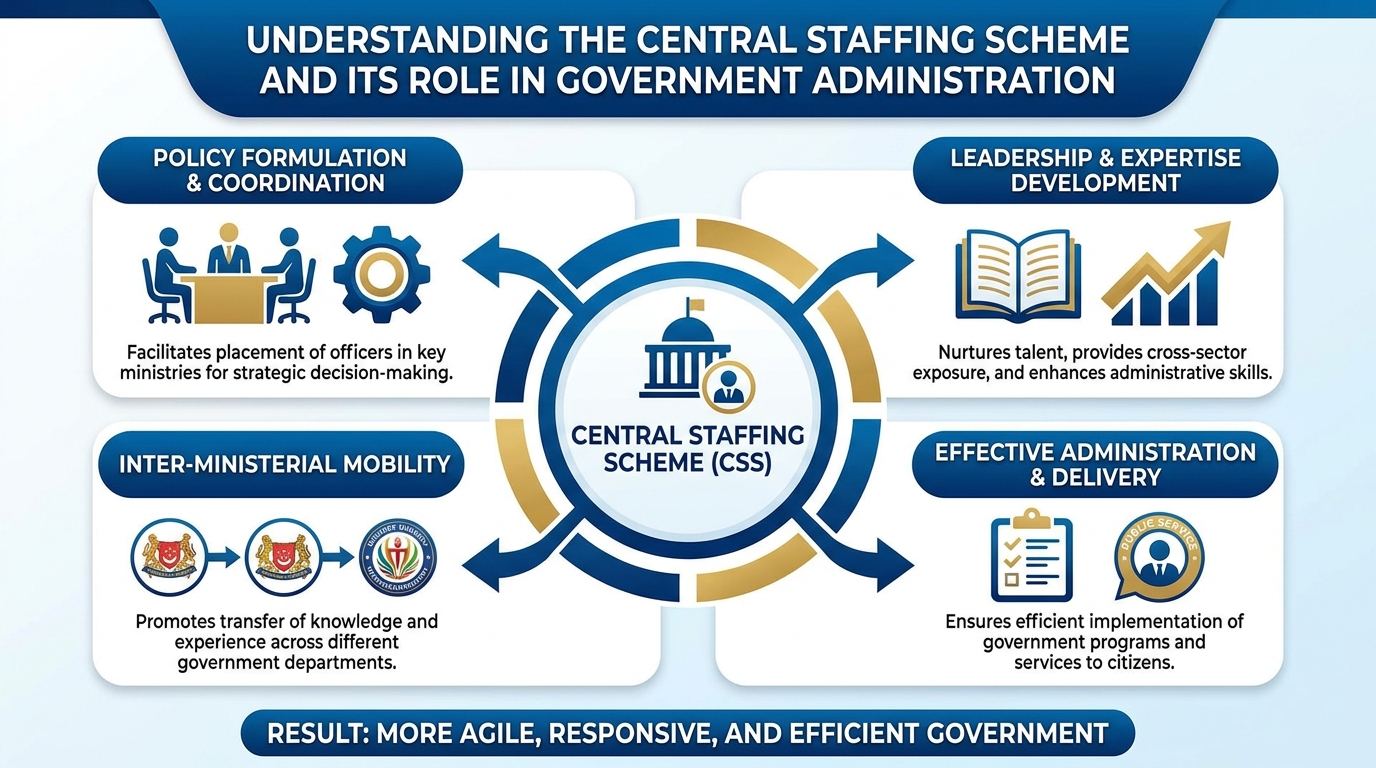
The central staffing scheme plays an important role in strengthening administrative systems and improving governance within government institutions. It serves as a structured process through which experienced officers are appointed to various departments and ministries at the central level. The purpose of this framework is to ensure that government operations are managed by skilled professionals who possess the expertise needed to handle administrative responsibilities effectively. Over the years, the central staffing scheme has become a significant element in public administration because it supports coordination, policy implementation, and institutional efficiency. Understanding how this system functions helps individuals appreciate its contribution to transparent and effective governance practices.
The Purpose Behind the Central Staffing Scheme
The central staffing scheme was developed to create a systematic approach for appointing qualified officers to important government positions. Public administration requires experienced individuals who can manage responsibilities efficiently while ensuring smooth coordination among departments. This scheme helps governments identify capable officers from various services and assign them to central roles where their expertise can contribute to policy development and administration. By maintaining a structured selection process, the system supports fairness, accountability, and professional management. The central staffing scheme also encourages administrative consistency because officers with diverse experiences bring valuable perspectives to national governance. This balanced approach strengthens institutional performance and long-term policy execution across departments.
How the Central Staffing Scheme Functions
The functioning of the central staffing scheme involves a coordinated process designed to identify and appoint officers for key administrative roles. Eligible officers are generally selected based on their professional experience, service record, and leadership capabilities. Government departments evaluate staffing requirements and recommend appointments according to organizational needs. This process helps ensure that ministries and institutions receive officers with relevant expertise and administrative knowledge. The central staffing scheme promotes operational efficiency because it allows experienced professionals to contribute to decision-making and policy implementation at higher administrative levels. Through structured procedures and transparent evaluations, the system supports effective governance while maintaining professional standards across government institutions and departments.
Importance of Administrative Experience in Staffing
Administrative experience remains one of the most important factors within the central staffing scheme because government operations require practical knowledge and leadership abilities. Officers with years of service often understand the complexities of policy implementation, public administration, and departmental coordination. Their expertise allows them to manage responsibilities effectively while responding to challenges in a professional manner. The central staffing scheme values experienced personnel because they contribute stability, efficiency, and informed decision-making within government institutions. Skilled administrators can improve communication among departments and ensure that official responsibilities are completed accurately. This emphasis on experience helps maintain consistency and professionalism within public administration systems and governance structures.
The Role of the Central Staffing Scheme in Governance
Governance systems rely heavily on capable administrative leadership, and the central staffing scheme supports this requirement by ensuring qualified appointments. Effective governance depends on proper coordination between ministries, departments, and policy-making bodies. Through this staffing framework, governments can place experienced officers in positions where their skills contribute directly to institutional performance and national development goals. The central staffing scheme strengthens governance by encouraging accountability, administrative discipline, and efficient management practices. Officers assigned through this process often handle sensitive responsibilities that require professionalism and strategic thinking. As a result, the system helps improve decision-making processes while supporting the smooth operation of government institutions across different sectors.
Career Opportunities Through the Central Staffing Scheme
The central staffing scheme also creates valuable career opportunities for government officers seeking professional growth and broader administrative experience. Officers appointed under this framework often gain exposure to national-level responsibilities, policy development, and interdepartmental coordination. These assignments allow individuals to strengthen leadership abilities while contributing to important government functions. Working within central institutions can enhance an officer’s understanding of governance systems and public administration practices. The central staffing scheme encourages professional development because it provides opportunities to handle complex responsibilities in diverse administrative environments. Such experiences can positively influence future career advancement while helping officers build stronger expertise in governance, management, and institutional leadership roles.
Challenges Associated With the Central Staffing Scheme
Despite its importance, the central staffing scheme also faces several administrative challenges that require careful management. Government institutions often need to balance staffing requirements with the availability of experienced officers from different services and departments. Delays in appointments, resource limitations, and coordination issues may sometimes affect the efficiency of the process. Additionally, maintaining transparency and fairness in selection procedures remains essential for preserving public trust and institutional credibility. The central staffing scheme must continuously adapt to changing administrative demands and governance priorities. Addressing these challenges effectively can improve operational efficiency while ensuring that qualified officers continue contributing to public administration and government decision-making processes successfully.
Transparency and Accountability in Staffing Procedures
Transparency and accountability are essential elements of the central staffing scheme because public administration systems must maintain trust and professional integrity. Clear procedures for selection, evaluation, and appointment help ensure fairness within government institutions. Officers selected through transparent processes are more likely to gain confidence from colleagues, departments, and the public. Accountability also plays a critical role because administrative leaders are responsible for implementing policies and managing public resources efficiently. The central staffing scheme supports responsible governance by promoting structured decision-making and professional standards in staffing practices. Strong accountability mechanisms encourage ethical conduct while helping institutions maintain stability, credibility, and effective administrative performance over time.
The Future of the Central Staffing Scheme
The future of the central staffing scheme will likely be influenced by technological advancements, administrative reforms, and evolving governance requirements. Governments worldwide are increasingly focusing on digital systems, efficient management practices, and data-driven decision-making processes. These changes may encourage modernization within staffing procedures to improve efficiency and transparency further. The central staffing scheme can benefit from technological integration that simplifies evaluations, communication, and appointment processes across departments. Future reforms may also emphasize leadership development, specialized expertise, and improved administrative coordination. As governance systems continue evolving, the scheme will remain important for ensuring that skilled professionals contribute effectively to national administration and institutional performance in changing environments.
Conclusion
The central staffing scheme remains a vital component of effective public administration and government management. By providing a structured framework for appointing experienced officers to important positions, the system supports efficient governance, accountability, and institutional coordination. Its emphasis on professional expertise and administrative experience helps strengthen decision-making processes and policy implementation across departments. Although challenges related to staffing and transparency continue to exist, ongoing improvements can enhance the overall effectiveness of the scheme. As governments adapt to modern administrative demands, the central staffing scheme will continue playing an important role in building capable leadership, improving governance standards, and supporting long-term institutional stability and efficiency.
 saif abbasi