

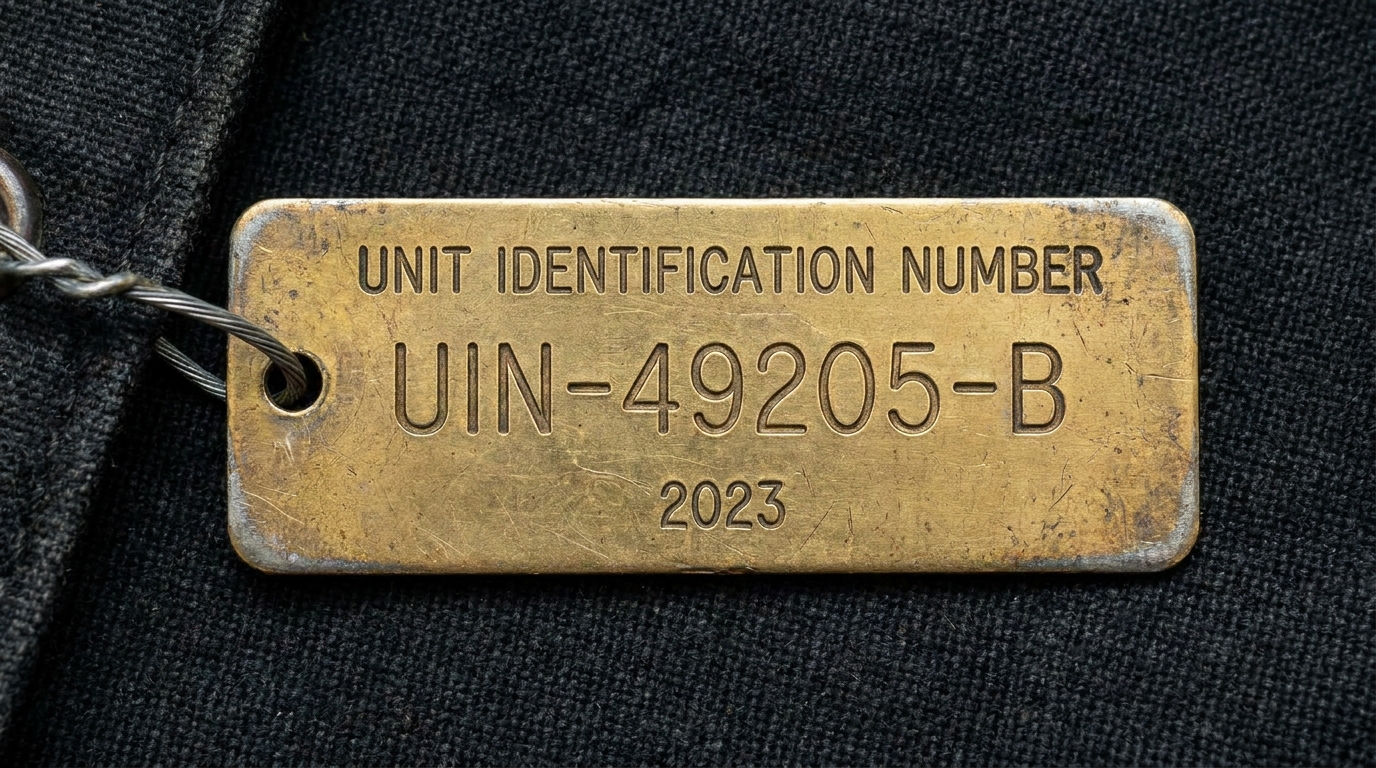
What Is a Unit Identification Number
A unit identification number is a unique code assigned to a specific item, property, or unit within a larger system for identification and tracking purposes. These numbers are commonly used in residential buildings, industrial operations, transportation systems, and inventory management. The main purpose of a unit identification number is to ensure that each unit can be accurately identified without confusion. In apartment complexes, for example, unit numbers help distinguish individual residences. In manufacturing, identification numbers help companies track equipment and products throughout production and distribution processes. By assigning a distinct number to every unit, organizations improve organization, record management, and operational efficiency while minimizing errors in communication and documentation across different systems.
Why Unit Identification Numbers Matter
The importance of a unit identification number lies in its ability to simplify organization and improve accuracy. Without proper identification systems, businesses and institutions may struggle with tracking assets, managing records, or locating specific units quickly. Unit identification numbers create a reliable structure that supports smooth communication and operational control. For example, delivery companies use identification numbers to track shipments and prevent package confusion during transportation. Property managers rely on unit numbers to organize maintenance requests and tenant records efficiently. This system also improves accountability because each unit can be linked to accurate data and activity records. A clear identification method reduces mistakes while helping organizations maintain consistency in daily operations and administrative tasks.
How Unit Identification Numbers Are Used in Real Estate
In the real estate industry, unit identification numbers play a critical role in distinguishing apartments, offices, and commercial spaces within buildings or complexes. These numbers help property managers, residents, maintenance teams, and emergency services locate units accurately and efficiently. When tenants receive mail, utility services, or deliveries, the unit identification number ensures that everything reaches the correct destination. Real estate documentation, rental agreements, and property databases also depend heavily on accurate unit numbering systems. Proper identification improves communication between landlords and tenants while reducing administrative confusion. As modern housing developments continue to expand in size and complexity, structured identification systems remain essential for maintaining organized and efficient property management operations.
The Role of Unit Identification Numbers in Manufacturing
Manufacturing industries depend on unit identification numbers to track machinery, products, and production components throughout different stages of operation. Each item or piece of equipment receives a unique number that allows manufacturers to monitor performance, maintenance history, and production status. This organized system improves quality control and helps businesses identify issues quickly if defects or operational problems arise. A unit identification number also supports inventory management by ensuring that products can be traced accurately from manufacturing facilities to customers. Modern production systems often integrate identification numbers with digital tracking technologies to improve automation and efficiency. These systems reduce operational delays while supporting better planning, reporting, and product accountability in industrial environments.
Unit Identification Numbers in Transportation Systems
Transportation industries use unit identification numbers to manage vehicles, cargo containers, rail cars, and other transportation assets effectively. Airlines, shipping companies, and public transport systems rely on unique identifiers to monitor operations and maintain accurate records. A unit identification number allows transportation companies to track maintenance schedules, monitor routes, and improve logistical coordination. In emergency situations, identification numbers help authorities locate vehicles or shipments quickly and accurately. These systems also support security measures by ensuring that transportation assets can be verified and monitored throughout their operational lifecycle. As global transportation networks continue to expand, unit identification systems remain critical for maintaining organized logistics, operational safety, and efficient movement of goods and passengers.
How Technology Improves Unit Identification Systems
Technology has significantly improved how unit identification numbers are created, stored, and managed in modern systems. Digital databases, barcode scanners, and cloud-based management platforms allow organizations to access identification records instantly and accurately. Advanced technologies such as RFID tracking and automated inventory systems further strengthen identification accuracy across industries. A unit identification number can now be connected to large amounts of digital information, including ownership records, maintenance histories, and operational data. This technological integration reduces manual errors and speeds up administrative processes. Businesses benefit from faster tracking, improved reporting, and better communication between departments. As digital transformation continues worldwide, technology-driven identification systems are becoming increasingly important for operational success and long-term organizational growth.
Security Benefits of Unit Identification Numbers
Security is another important advantage provided by unit identification numbers across different industries and systems. Accurate identification helps organizations protect assets, verify ownership, and prevent unauthorized access or fraud. In residential buildings, unit numbers help security personnel identify locations quickly during emergencies or investigations. Businesses use identification systems to track valuable equipment and reduce the risk of theft or inventory loss. Transportation companies rely on unit identification numbers to verify cargo movements and maintain shipment security. Digital systems connected to identification numbers also improve data protection by limiting access to authorized users only. Through proper identification practices, organizations strengthen accountability while creating safer and more secure operational environments for employees and customers.
Challenges Associated With Unit Identification Systems
Although unit identification numbers provide many benefits, organizations may still face challenges when managing identification systems effectively. One common issue involves maintaining accurate records when units are relocated, modified, or replaced over time. Inconsistent numbering formats or outdated databases can create confusion and reduce operational efficiency. Large organizations may also experience difficulties integrating older identification systems with modern digital technologies. Human error during data entry or labeling processes can further affect accuracy. To overcome these challenges, businesses must establish clear identification standards and maintain updated records regularly. Training employees on proper identification procedures also improves reliability. Effective management ensures that unit identification systems continue supporting organization, security, and efficient communication.
The Future of Unit Identification Numbers
The future of unit identification numbers is closely connected to advancements in digital technology, automation, and data management systems. Artificial intelligence, smart tracking devices, and connected databases are transforming how organizations manage identification processes. Businesses are increasingly using automated systems that assign and monitor unit identification numbers in real time. These technologies improve operational speed, reduce errors, and support better decision-making through advanced analytics. In smart cities and automated industries, identification systems will become even more important for coordinating infrastructure, transportation, and public services efficiently. As industries continue embracing digital transformation, unit identification numbers will remain essential tools for organization, accountability, and secure operational management across modern global systems.
Conclusion
A unit identification number serves as a powerful organizational tool that supports efficiency, security, and accurate communication across many industries. From real estate and manufacturing to transportation and digital systems, these identifiers help organizations manage assets, records, and operations with greater precision. Modern technology continues improving identification systems through automation and digital integration, making them more reliable and efficient than ever before. Although challenges such as data accuracy and system integration still exist, proper management practices can overcome these difficulties successfully. As businesses and institutions continue expanding in complexity, the importance of structured identification systems will only increase. Understanding unit identification numbers helps individuals and organizations appreciate their essential role in modern operations and information management.